
We sold our house to move into an apartment.
I want to start there because of how backwards it sounds. In college, Cecil and I could not wait to get out of an apartment and into a house — that was the whole plan, that was what we were working toward. And then in 2016 we sold the house and moved into a rented flat in Germany.
Three bedrooms, second floor, in a renovated building from the 1890s. Original hardwood in most of the rooms and original wood doors. Pocket doors in the living room, enormous ones, on both sides. Ceilings so high I could not have reached them on a ladder, with plaster molding running around the top of every room, put there by somebody’s hands more than a century before I was born.
I loved that apartment before I had unpacked a single box.
Everything was within walking distance. That’s the part I told people about, and I told them like it was a convenience.
The grocery store was two blocks away. A little market with fresh local vegetables, every day. A bakery one block over with bread and coffee in the mornings. A park across the street, where around lunchtime I could hear children playing. And around the corner, a small wine store owned by a friendly German man with a degree in winemaking, who became a friend in the way that people become friends when you see them every week for three years.
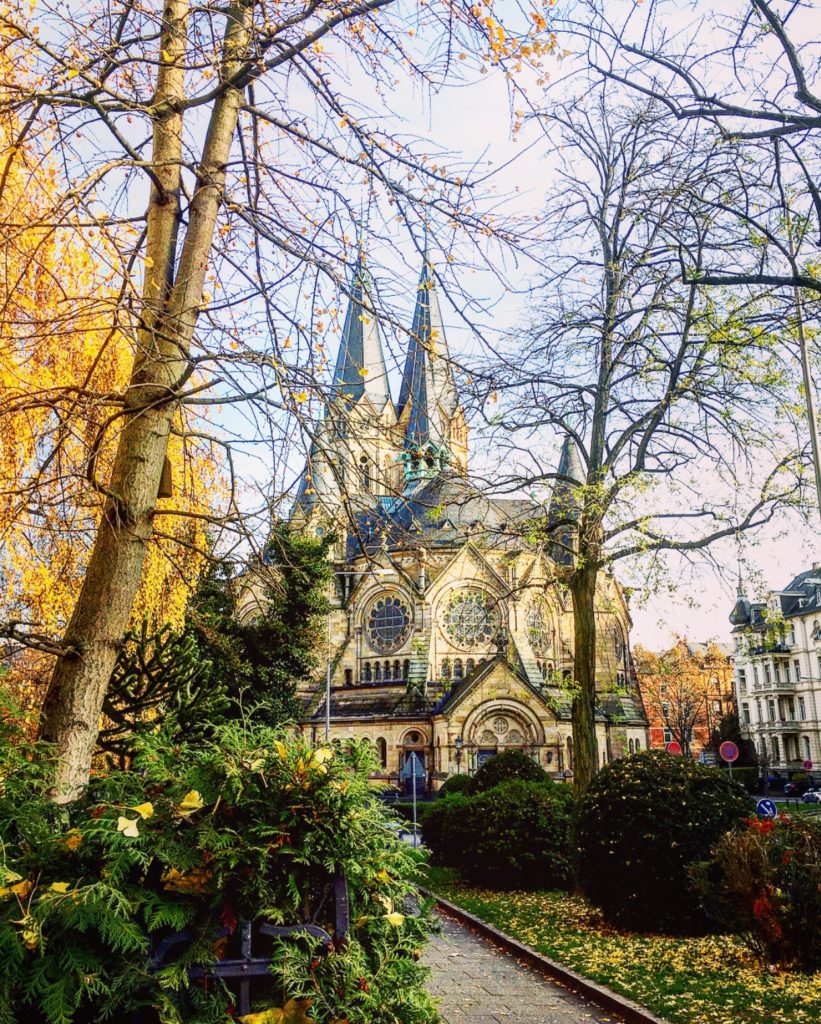
And a five-minute walk from our door, the Ringkirche — a Protestant church built in 1892.
In the mornings and in the evenings, I could hear the bells. I wrote at the time that the sound brought me joy and reminded me of my hometown church in Mexico. Then I moved on to describe the plaster molding, because I did not yet understand what I had just written down.
Let me tell you what that hometown church was.
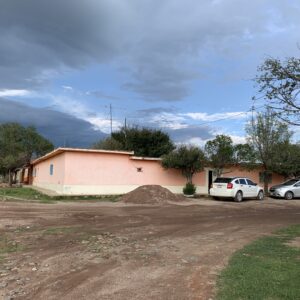
I was raised until I was eleven in a rancho in the mountains of Mexico — a farming town of about three thousand people, dirt roads, an adobe house with a leaky roof. On Sundays my sister and I walked to Bible school, about three blocks. Everything in that town was three blocks from everything else. You went on foot because there was nowhere that wasn’t on foot.
And the church bells rang, and you heard them from the house, and that was simply the sound the day made.
So there I was, thirty-something years old, in a country whose language I could not speak, seven thousand miles from that house, standing in a rented apartment in a city I could barely pronounce — and the thing that made me feel at home was a bell.
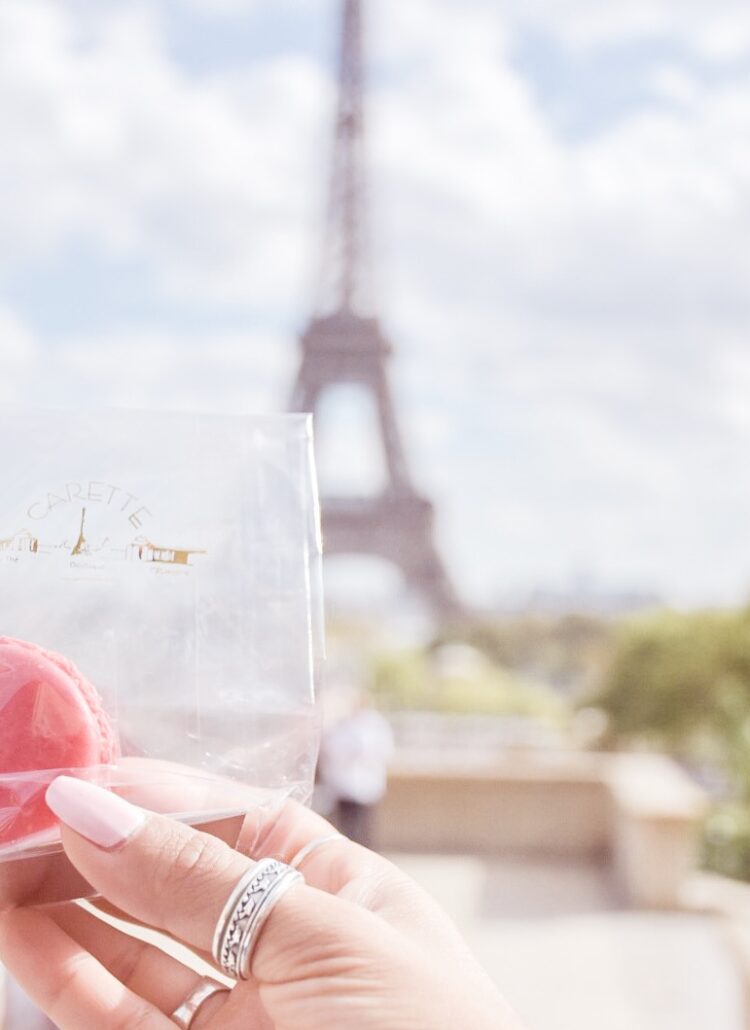
Not the castles. Not the cathedrals. Not the fact that we could get on a train and be in Paris in six hours, which we did, more than once, because we could. A bell, in the evening, through a window.
I’ve thought about that apartment a great deal since we left it, and I’ve come to understand something I could not see while I was living in it. I did not fall in love with that neighborhood because it was European. I fell in love with it because it was the shape of the place that raised me.
A town you could cross on foot. A bakery where they knew what you’d want. A vegetable market with whatever had come in that week. A man who sold you wine and asked about your week. Children you could hear from your own window. A church close enough to hear.
That is a rancho. That is exactly, precisely, a rancho — with better plumbing and a different language.
I sold a house in Texas and crossed an ocean looking for something entirely new, and what I found was the thing I’d been taken out of at eleven. It happened over and over once I started noticing.
In a small town on the Rhine there is a house that has been standing since 1368 — not preserved behind glass, standing, with a restaurant in it, on the street where people live. We used to stop at a café there where the owner cooked every single thing herself. If you arrived between service hours the kitchen was closed, and she would pour you a glass of wine anyway and let you sit.
I thought about that woman more than I thought about the castles. I recognized her. I had been raised by someone who fed whoever showed up, and here she was again, in German, pouring wine for strangers who came at the wrong time.
At the end of every summer, the whole city turned out for a festival — the harvest, the market, the end of one season and the beginning of the next. Vendors with vegetables and bread and flowers and cheese, bands playing in the square, everybody’s family out, everybody talking.
I wrote at the time, in my first month there, that Germans seemed more relaxed than Americans were, and that they appreciated the little things in life, which I appreciated. What I was actually looking at was a town organized around a harvest.
I had grown up inside one of those. Every summer, all the grandchildren were rounded up and taken to the bean fields, and at the end of the season each of us was paid in a small bucket of beans that we traded at the market for a few pesos, which we spent immediately on candy.
Same calendar. Different continent. And I stood in that square grinning and didn’t put it together for years.
We were there three years. We came home to Texas in 2019.
And one of the first things I did in the new house was nail dark strips of wood across a pale wall in the hallway, in a pattern, because I thought the room needed some character.
Board and batten, it’s called here. In Germany they call it half-timbering, and they have been doing it since before my grandmother’s grandmother was born. I did not make that connection either. I was just a woman with a hammer who wanted her house to feel like something.
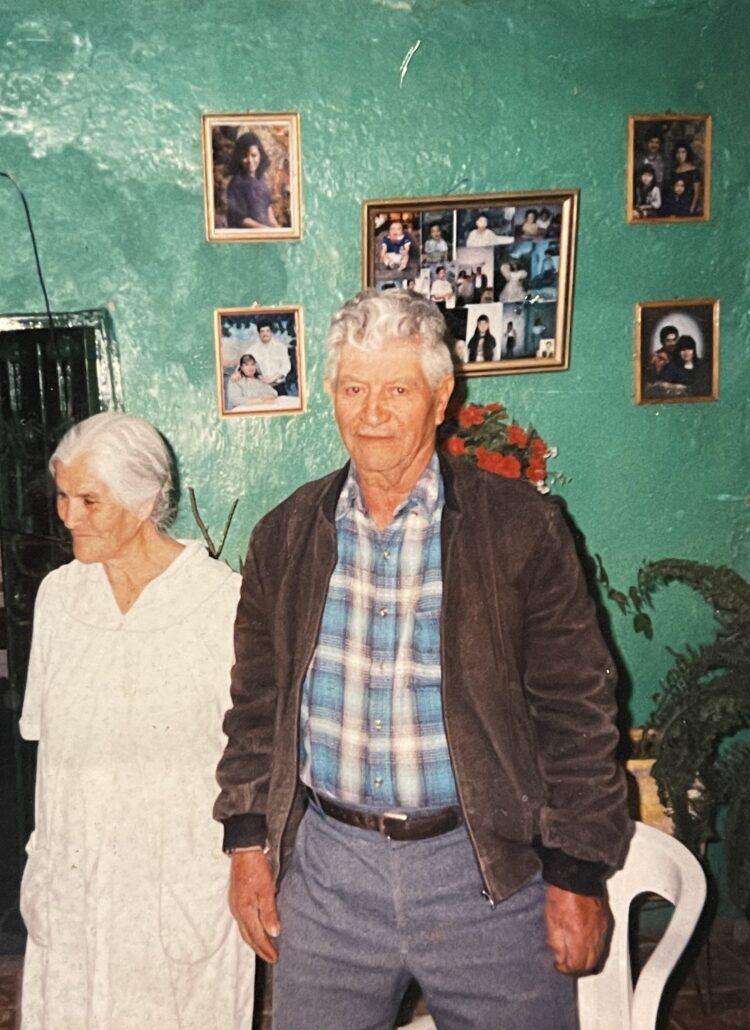
I don’t think you can outrun the house that made you. I don’t think you’d want to. You will simply keep walking into rooms that feel right and never be entirely sure why, and it will be because a woman with no education kept a house a certain way and it went into you before you could read.
I went looking for the world and I kept finding my grandmother in it.
A bell in the evening. A woman who feeds you at the wrong hour. A town you can cross on foot. A harvest everybody celebrates. Dark wood laid across a pale wall by somebody who wanted the place to last.
None of that is German. None of it is Mexican either, in the end.
It’s just what people do when they intend to stay somewhere.
Con cariño,
Abril

Leave a Reply