
Why Half This House Is Named Paris
The story of a spiral notebook, a wobbly chair, and the city that reminded me of a house in the mountains.
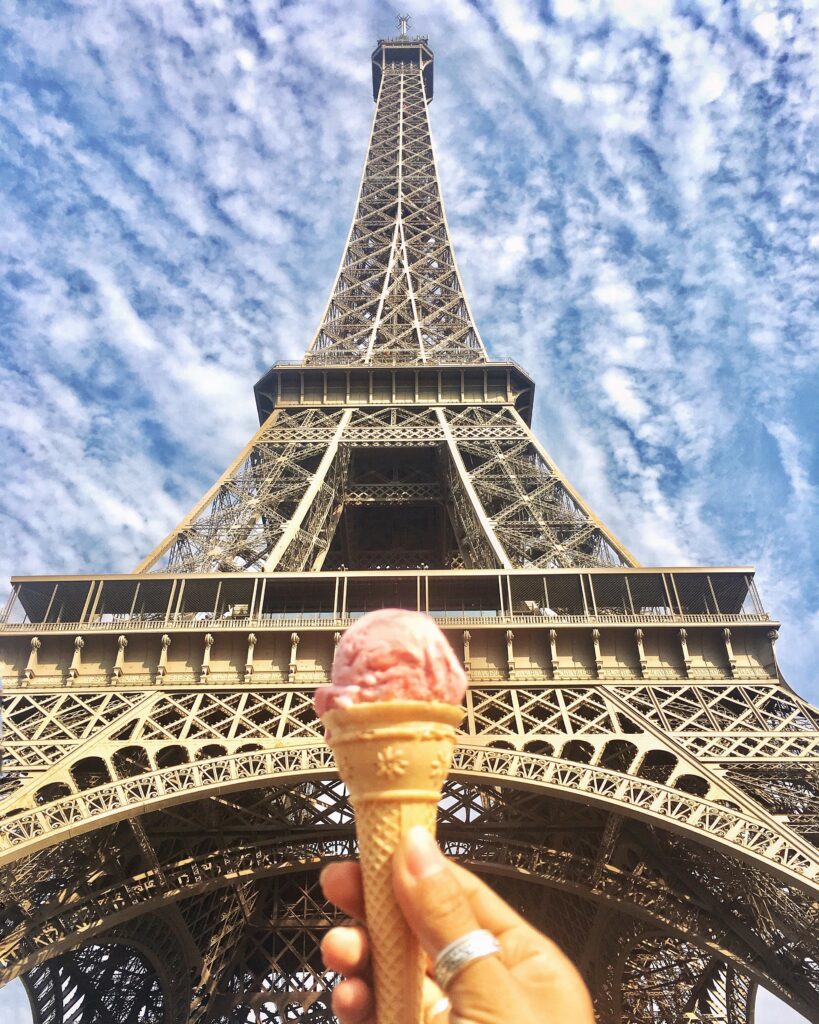
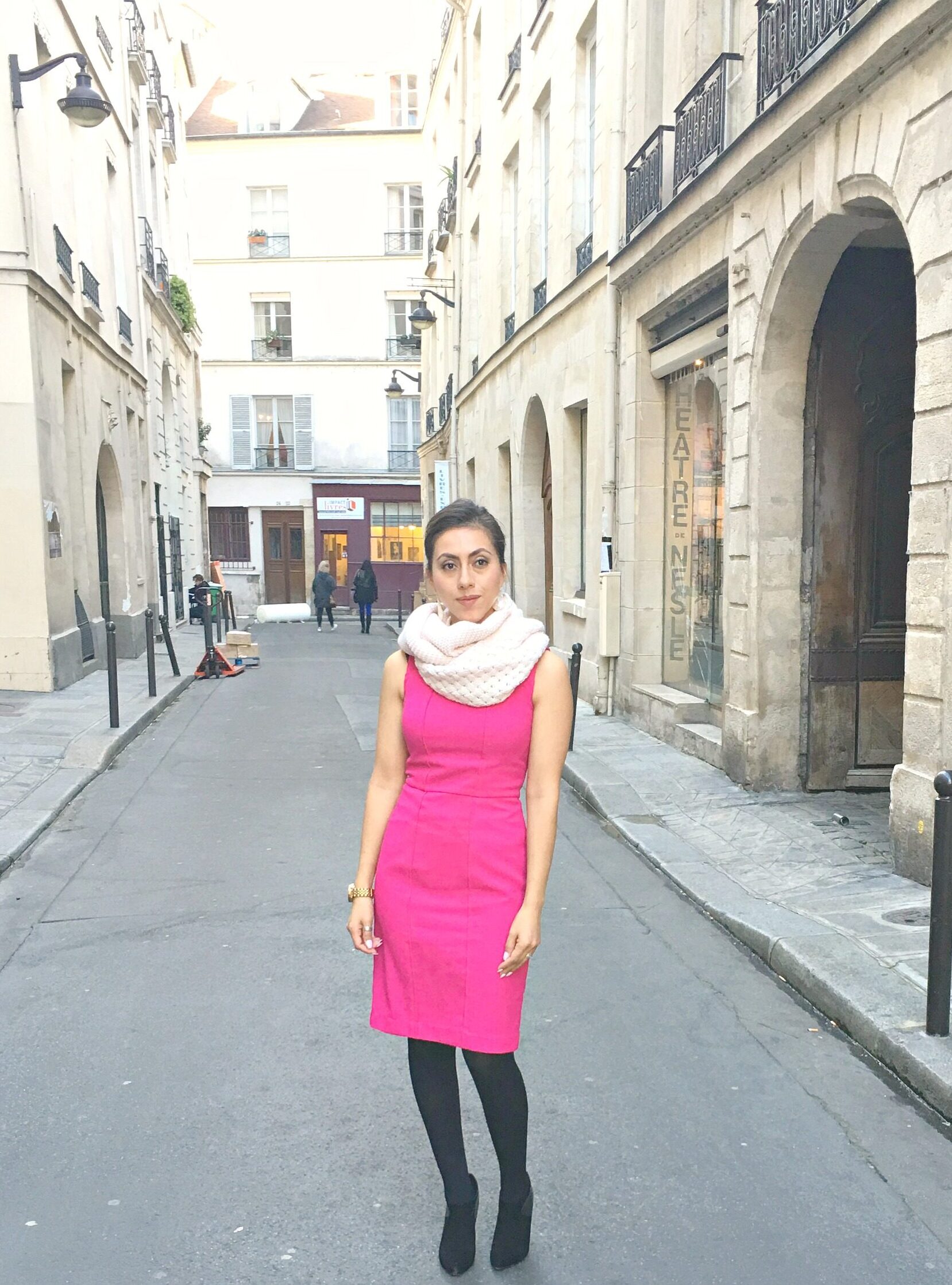
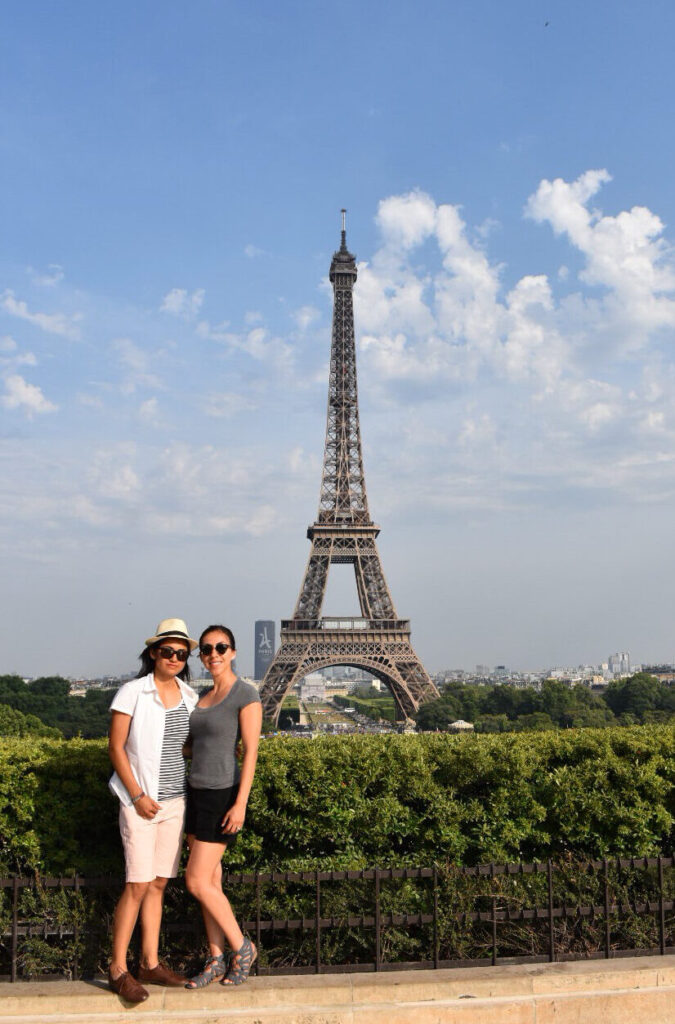
The first time I saw the Eiffel Tower, goosebumps crawled over my skin and stayed there. It was November of 2015, I was standing on a Parisian street with Cecil, and I remember thinking that no photograph had told me the truth about it — that some things have to be stood in front of.
I should tell you who I was when I arrived, because I’ve been described wrong before and I’d like to get it right.
I am not a punctual woman. Cecil says I’ll be late to my own funeral, and he isn’t entirely joking. I take far too long in the shower, not because I’m luxuriating but because it’s where I ponder — turning over what I said that day, replaying a conversation, listening to my own thoughts and occasionally stopping to wonder whose voice that even is. Is that me? Where is it coming from? I stop for birdsong. I have been known to lose a full ten minutes to a color. Appointments and work I keep — I’m not a menace — but the rest of my life runs on noticing, and noticing does not respect a clock.
What I am is a woman who loves a plan. Those are different things, though people conflate them constantly.
I should tell you why we went.
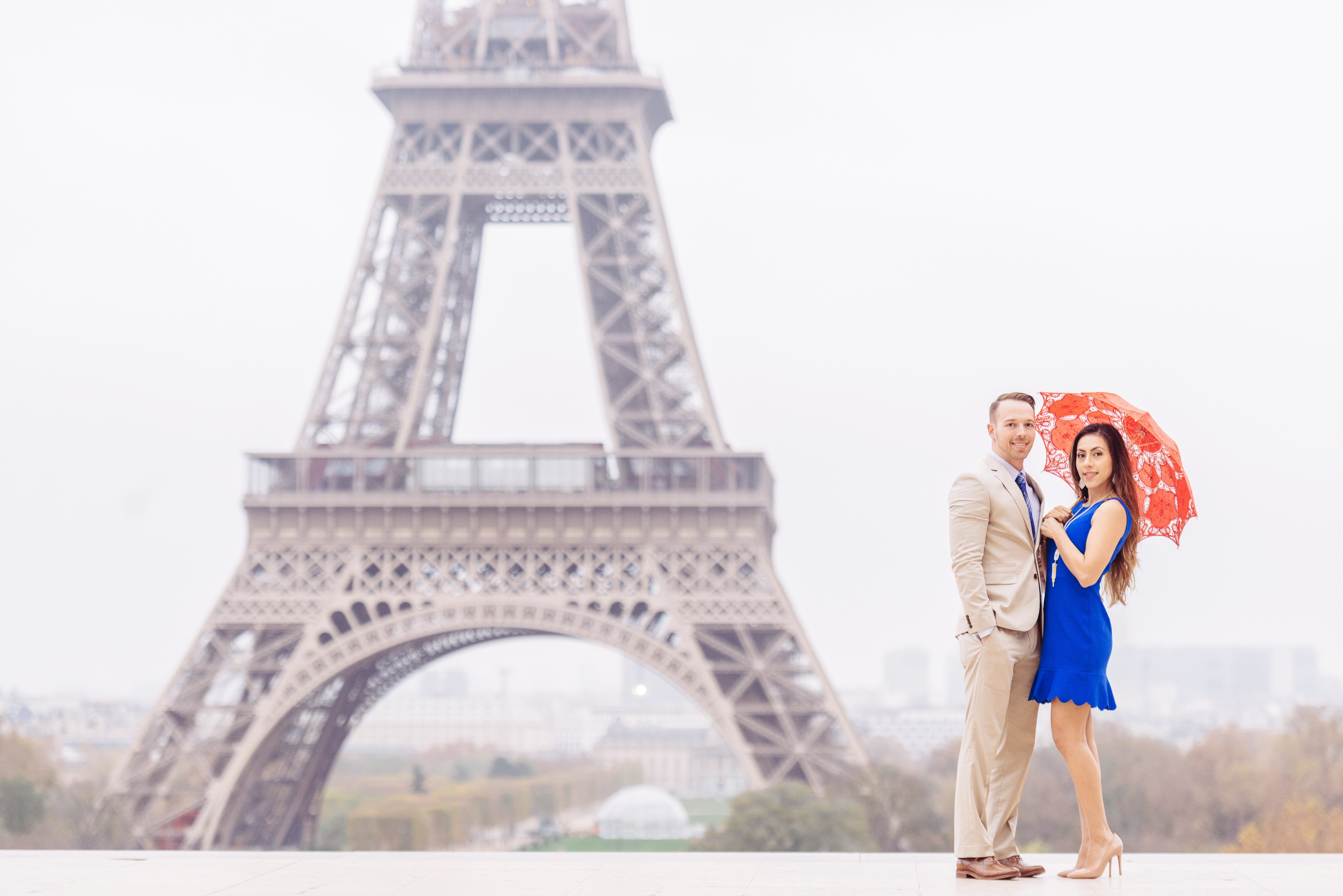
Cecil’s work had taken him far away for a long stretch, longer than either of us had bargained for, and we had not been in the same room in months. When it came time to meet again, we could have met anywhere. We chose Europe, and we chose it because years earlier I had told him I wanted to see Paris, and he had said: I’ll take you one day.
He took me. After all that time apart, that’s where we met.
I’ve thought about that a great deal since. He is a man of his word — he said it years before he could deliver it, and then he delivered it.
And I want to be honest about him, because I don’t write fairy tales.
He is not my hero. He is not a prince on a white horse, which is more or less what I prayed for as a young girl, before I had any real idea what love was.
What he is instead is a man who goes.
I have pulled him out of his comfort zone more times than either of us could count. Sometimes he came easily. Often enough for me to remember it, he came reluctantly, unconvinced, complaining somewhere in the middle of it.
But he came. Every single time.
And he has not treated my dreams as something to be talked down to a reasonable size. He has argued with them — plenty — and then he has come along anyway.
That is a particular kind of love, and it is not the kind anyone writes songs about.
He loves me steadily. Not always in the way I would choose, but steadily — and I know exactly what that is worth.
I have never once taken it for granted. Not in nineteen years. I am the most loyal person I know, and I will stand behind that sentence, because it is simply true.
So when we were given two weeks, I planned like my life depended on it — and I want to be honest about why. It wasn’t discipline. It was scarcity. I had never in my life imagined I would set foot in Europe, let alone live there someday, and I was certain this was our one chance at it. This was the trip of a lifetime, or so we thought at the time, and I wanted a meeting worthy of how long we’d waited for it.
So I filled a spiral notebook until it could have passed for a dissertation. Flights compared four months out. Neighborhoods ranked. Sights ordered efficiently. I wasn’t being rigid. I was being greedy, in the way you’re greedy about something you think you’ll only get once.
I’ll add one thing, because it’s the truer explanation.
I love to organize. Not as a coping mechanism — as a pleasure. There is something in me that is simply happy sorting a pantry or laying out a plan, the way some people are happy doing a crossword, and I have been like this my whole life.
It also happens to be what settles me when I feel anxious. When something is unresolved and I can’t do anything about it, I organize, and it takes my mind off the thing, and I come out the other side steadier. I couldn’t tell you the mechanism. Only that it works.
So there was a woman alone in Texas for months, filling pages about a city she had never seen. She was enjoying herself. She was also steadying her hands.
Both of those were true, and I only understood the second one much later.
Paris had other ideas.
Because here is what that city does, gently and without asking: it distracts you. Every cobblestone street has a story to tell, and you cannot walk to the thing on your list without being pulled toward three things that were never on it. We walked everything on foot that first trip — if we had owned a Fitbit, it would have begged for mercy — and somewhere between the plan and the pavement, the notebook stopped mattering. We found our favorite breakfast of the whole trip by accident, because a line out a doorway looked like it knew something we didn’t, and we decided forty minutes of waiting was a fair price for finding out. It was. One night, dinner was nothing but pizza, wine, and the best crème brûlée of my life, and no itinerary in my notebook had planned it. I drank champagne in a chair that wobbled on the cobblestones and did not once check the time.
Here’s the part I didn’t expect: I wasn’t sorry about it.
I had assumed I’d feel the notebook’s loss — all that work, and we were ignoring it by the second afternoon. But the city was so much vaster and more beautiful than I had any way of imagining from a chair in Texas that the plan simply stopped being adequate. You cannot itinerary something that keeps exceeding you. Paris put my list in check, and what was left when the list went quiet was the thing I actually came for: I was there. All the way there. Present in a way I hadn’t been in years.
I didn’t have the words for it then. I have them now — and they aren’t the words I would have guessed.
For a long time I thought Paris taught me the difference between a schedule and a rhythm. It didn’t. It reminded me.
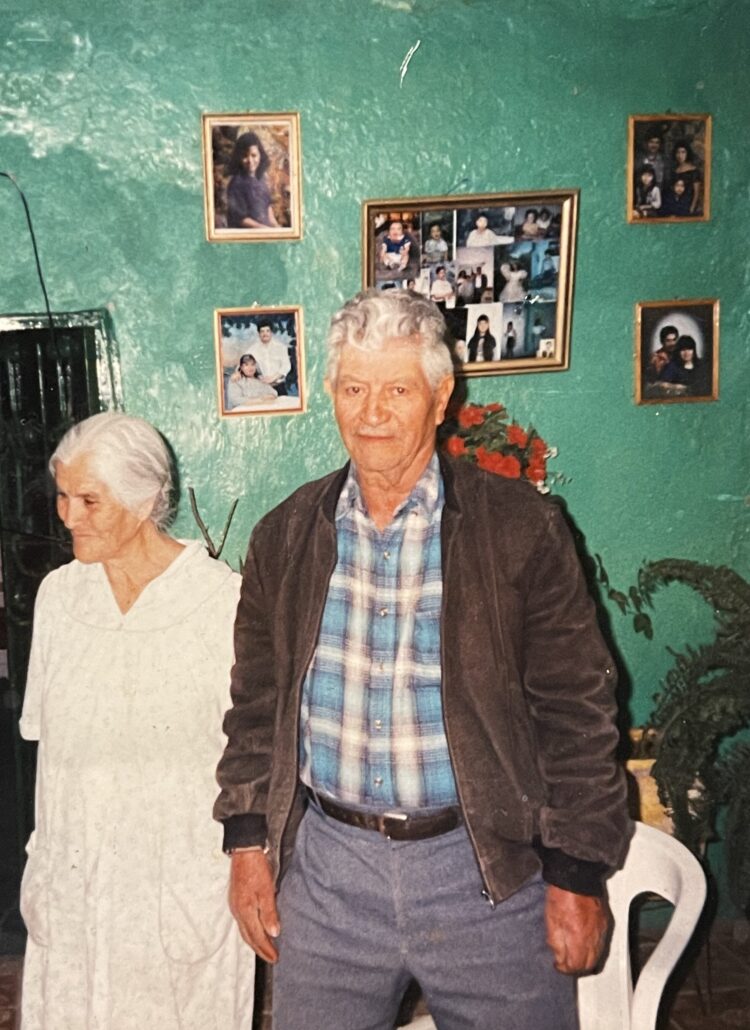
I was raised inside a rhythm. Mama Victoria and Papa Chuy’s house in Mexico — el rancho, which is what we call the town itself, not a property: dirt roads, a corral with animals in it, bean fields you drove out to, all of it in the middle of the mountains.
They were my mother’s parents and they raised me, and we never called them abuela and abuelo. They didn’t answer to it.
Breakfast in that house was never at an exact hour and nobody was troubled by that. There was always coffee and pan dulce after dinner, and the two of them would tell stories about when they were young, and the evening went on as long as the stories did. Uncles arriving in summer with my cousins, in no hurry to get anywhere, because there was nowhere that needed them faster than this.
Mexico has a way of taking everything and slowing it down.
Life there was a leaf turning in the air, with nowhere to go but the next gust of wind.
Then I came to America at eleven, and learned English, and learned school, and learned work. And when I became a young adult I tried to do life the way I understood everyone else was doing it: schedules, and one life event after the next, and a ladder to climb because a ladder was there. I was good at it. I want to be fair — that country gave me a great deal, and I am not sorry I learned to work.
But I am not built that way, and it took me most of two decades to admit it. Somewhere in all that climbing I lost sight of letting the wind take me. Some of my joy went with it, quietly, the way joy goes — not stolen, just set down somewhere and not picked back up.
So when Paris put my itinerary in check, what I felt wasn’t discovery. It was recognition — the particular ache of hearing a song you were raised on in a country where nobody speaks your language. The city runs on wandering. It rewards the unhurried. It gives its best secrets to people who put the list down. I sat on that unstable chair and understood that I already knew how to do this.
I had simply been away from it for a very long time.
We went back. Again just the two of us, for no reason except that the city was six hours away by train from where we were living and we could. Again, and again — and every single time it revealed something new, some street or courtyard or pastry it had been saving.
And once with my sister.
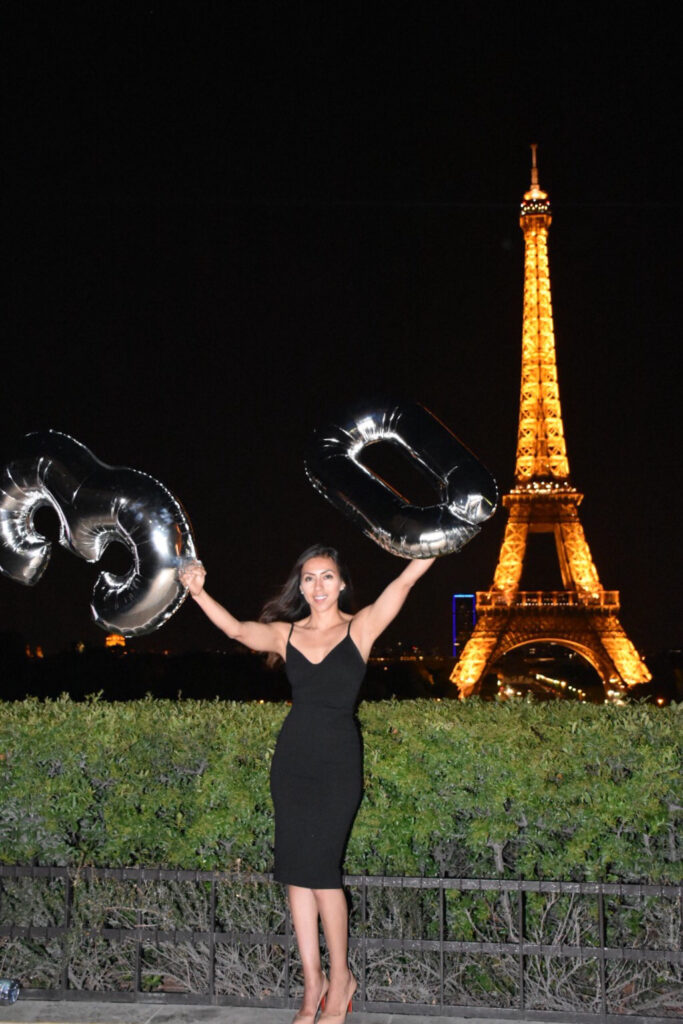
She came to see me while we were living in Germany, and she loved the six-hour train through the French countryside almost as much as the city at the end of it. That trip was for my thirtieth birthday.
I turned thirty on the Eiffel Tower.
We went up a little before midnight. Cecil on one side of me and my sister on the other, a bottle of champagne between the three of us, and Paris underneath in every direction as far as I could see in the dark.
I have thought about that night a great deal since. A girl from an adobe house with a leaky roof and a bucket ritual when it thundered, standing at the top of the iron lady at midnight — with the man who married her on one side, and on the other, the only other person alive who remembers that house from the inside.
Nobody planned that. It’s just where I happened to be standing when I turned thirty.
I have visited enough times now to know I’ve barely scratched a third of that city, and I’ve made my peace with that. Actually, I’ve come to love it: a place you can never finish is a place you can love for a lifetime.
I know one other thing like that.
It’s called a home.
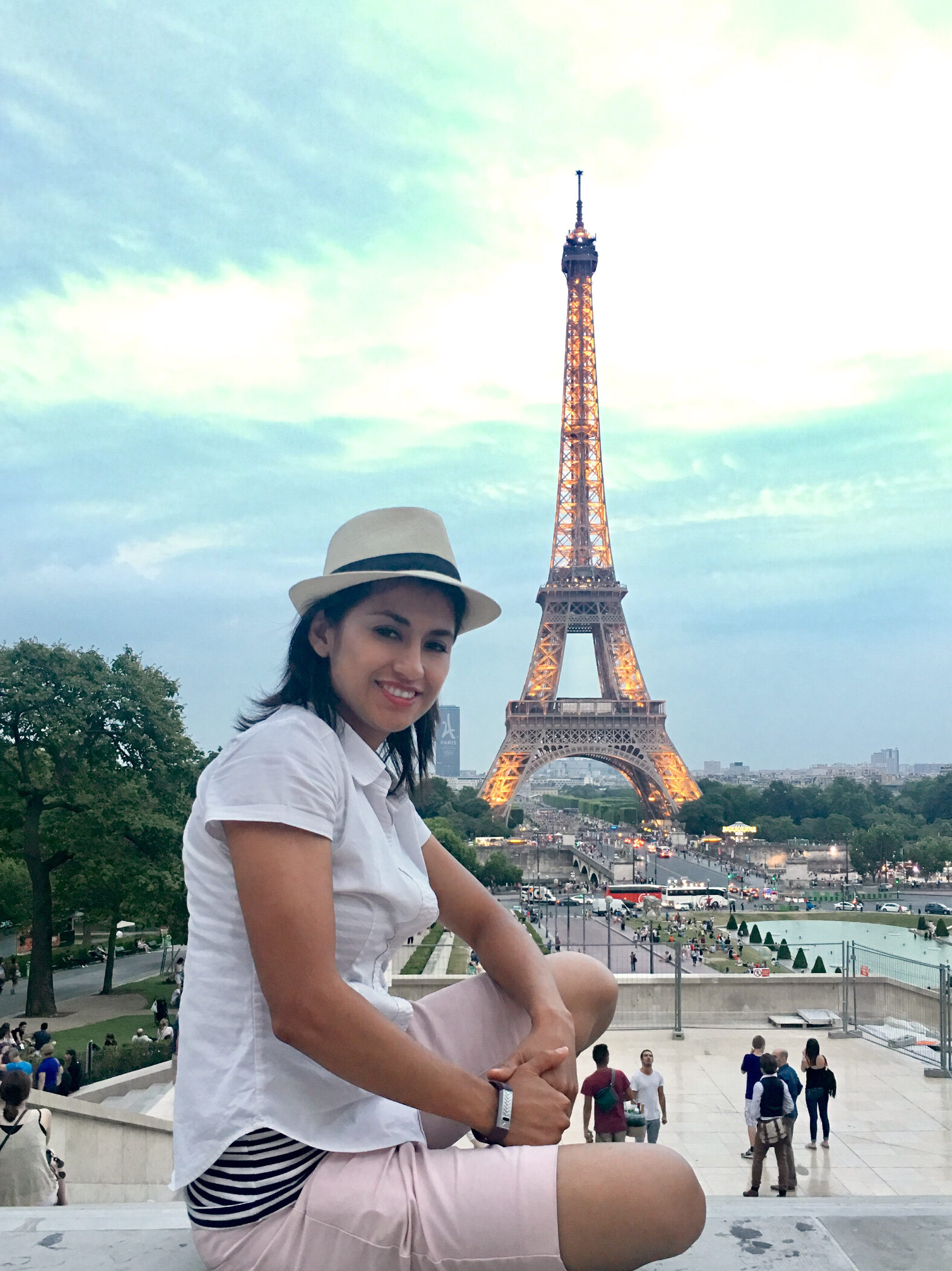
The morning smell of cappuccino. Chocolate croissants eaten standing up. A book on the bank of the Seine, which costs nothing and gives everything. The tower glittering for five minutes at the top of every dark hour, as if the city cannot help showing off, and honestly, why should it — some beauty is meant to be rehearsed nightly. Love does not begin to cover my feelings for that city. Timeless is the only word that has ever come close.
I am a hopeless romantic. I have made peace with that too. Paris is simply where I stopped apologizing for it.
By then I had been writing for two years — since 2014, when God gave me one word through a dream and I obeyed it under a blog name that never quite fit: One Blooming House. And so, about eight months after that first trip, when the time came to rename the place I wrote from, half the new name was already spoken for.
Paris: the city of timeless love.
That’s what I was reaching for, and I want to be precise about it, because people assume I mean romance. I don’t, or not only. I was a lover of life long before I was anybody’s wife — I have always been the one who stops for the light on a wall and the sound a bird makes at six in the morning. And a timeless life is worth loving. That’s the thing I wanted the name to hold. Not a love story. A way of being alive that doesn’t expire.
And June: my favorite month, and my birth month. The month the sun is high and the earth is in full bloom and the bees move flower to flower without a hurry in the world. Sunny. Joyful. Full of magic. Just living.
Which means that when I turned thirty on top of that tower at midnight, I was standing in both halves of my own name at once. I didn’t notice at the time. I was drinking champagne and laughing with the two people I love most, which is, I suppose, the entire point of the name.
The hydrangeas drawn across these pages belong to June too — they bloom in it. Though that isn’t why I love them. I loved them long before I knew that, because Mama Victoria loved them first, and she had a better word for them than we do. Hortensias.
Paris & June. Timeless love, and an unhurried life in full bloom. I didn’t fully understand, when I chose it, that I was writing my whole philosophy into the masthead. The wobbly chair knew before I did.
My children have never seen that city. Someday I’ll stand them in front of the iron lady and watch the goosebumps arrive, and we will walk with no list at all, and somewhere on a cobblestone street I’ll tell them they’re visiting the older half of their mother’s house.
If you ever go — my only advice, none of which will ever expire: walk until your feet complain and then a little further. Read a book on the bank of the Seine. Picnic in the Luxembourg Gardens. Drink coffee somewhere old enough to have opinions. Eat macarons from whichever corner you happen to be standing on. And after dark, be outside at the top of the hour, and look up.Con cariño
Abril

Leave a Reply